
Digital Marketing Basics for Beginners
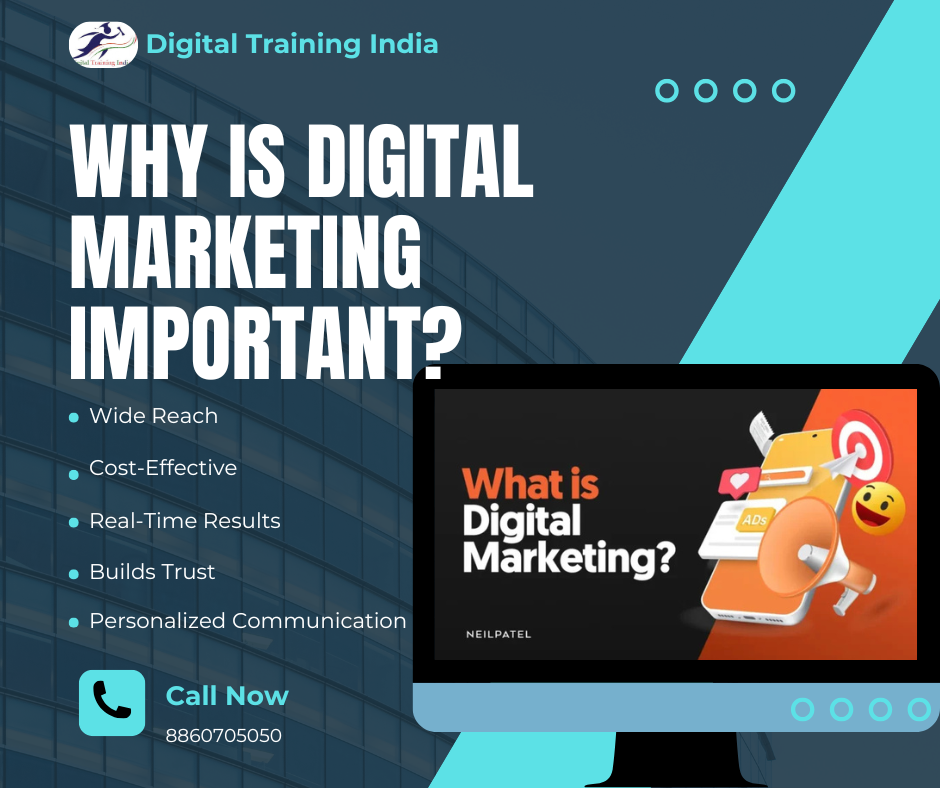
Digital Marketing Basics for Beginners:- In today’s world, where almost everyone uses the internet, digital marketing has become an essential tool for businesses to grow and reach more customers. Whether you’re a student, a professional, or a small business owner, understanding the basics of digital marketing can help you stay ahead in this competitive environment. This article will guide you through the fundamental concepts of digital marketing and how it can benefit you.
What is Digital Marketing?
Digital marketing refers to promoting products, services, or brands through online platforms. Unlike traditional marketing methods such as print ads or TV commercials, digital marketing uses the internet to reach a global audience. It includes various strategies and tools like search engines, social media, emails, websites, and more.
Why is Digital Marketing Important?
- Wide Reach – Digital marketing allows you to target people from different locations, ages, and interests.
- Cost-Effective – Compared to traditional marketing, digital marketing can be more affordable and measurable.
- Real-Time Results – You can track the performance of your campaigns instantly and make improvements.
- Personalized Communication – Digital tools allow you to create tailored messages for different customer groups.
- Builds Trust – Consistent online presence helps build credibility and customer relationships.
Key Elements of Digital Marketing Basics
Here are some of the most commonly used digital marketing channels and techniques:
1. Search Engine Optimization (SEO)
SEO is the process of optimizing your website to rank higher in search engines like Google. By improving your content, website structure, and user experience, you can increase organic traffic. The goal is to appear on the first page when users search for relevant keywords.
Why it matters: Higher ranking leads to more visibility, more visitors, and ultimately more business.
2. Content Marketing
Content marketing focuses on creating and sharing valuable information to attract and engage users. Blogs, articles, videos, infographics, and podcasts are examples of content that educate or entertain your audience.
Why it matters: Good content builds trust and helps convert visitors into customers.
3. Social Media Marketing
Social media platforms like Facebook, Instagram, LinkedIn, and Twitter allow you to connect with users, share content, and run advertisements. Regular interaction helps you build a community and get feedback from your audience.
Why it matters: Social media improves brand recognition and customer engagement.
4. Pay-Per-Click (PPC) Advertising
PPC is a paid advertising model where you pay only when someone clicks on your ad. Google Ads and Facebook Ads are popular PPC platforms. It’s a great way to drive instant traffic to your website.
Why it matters: It provides targeted traffic and measurable results.
5. Email Marketing
Email marketing involves sending newsletters, updates, or promotional offers to a list of subscribers. It’s a direct way to stay connected with your audience and encourage repeat business.
Why it matters: Personalized emails can nurture relationships and boost conversions.
6. Affiliate Marketing
Affiliate marketing is a performance-based strategy where businesses reward affiliates for generating traffic or sales through their marketing efforts.
Why it matters: It helps expand your reach without upfront advertising costs.
How to Get Started with Digital Marketing
- Learn the Basics – Start by understanding the core principles and terms like SEO, CTR, conversion rate, etc.
- Set Clear Goals – Decide what you want to achieve, such as increasing website traffic or generating leads.
- Create a Website or Blog – Having your platform helps you control your content and marketing strategies.
- Use Free Tools – Platforms like Google Analytics, Google Search Console, and Canva are great for beginners.
- Practice Regularly – The more you experiment and analyze, the better you’ll get.
- Stay Updated – Digital marketing trends change quickly, so keep learning through blogs, courses, and webinars.
Common Mistakes to Avoid
- Ignoring mobile users: Make sure your website is mobile-friendly.
- Not targeting the right audience: Research your audience before running ads.
- Overloading content: Quality is more important than quantity.
- Ignoring analytics: Always monitor your campaigns to see what’s working and what’s no